Choosing plywood is not just about selecting a good brand or grade. Plywood thickness also affects strength, stability, weight and how well a sheet performs in a particular application. Whether you are making furniture, designing interiors or working on construction, understanding the right thickness can prevent unnecessary costs and future problems.
Why Plywood Thickness Matters
Different projects require different levels of strength. A thin sheet may work well for a lightweight panel, while a thicker board can provide better support for furniture that carries substantial weight.
The right plywood thickness also depends on how the sheet will be fixed and supported. A large unsupported panel may need more thickness than a smaller piece with proper framing.
Common Plywood Thickness Options
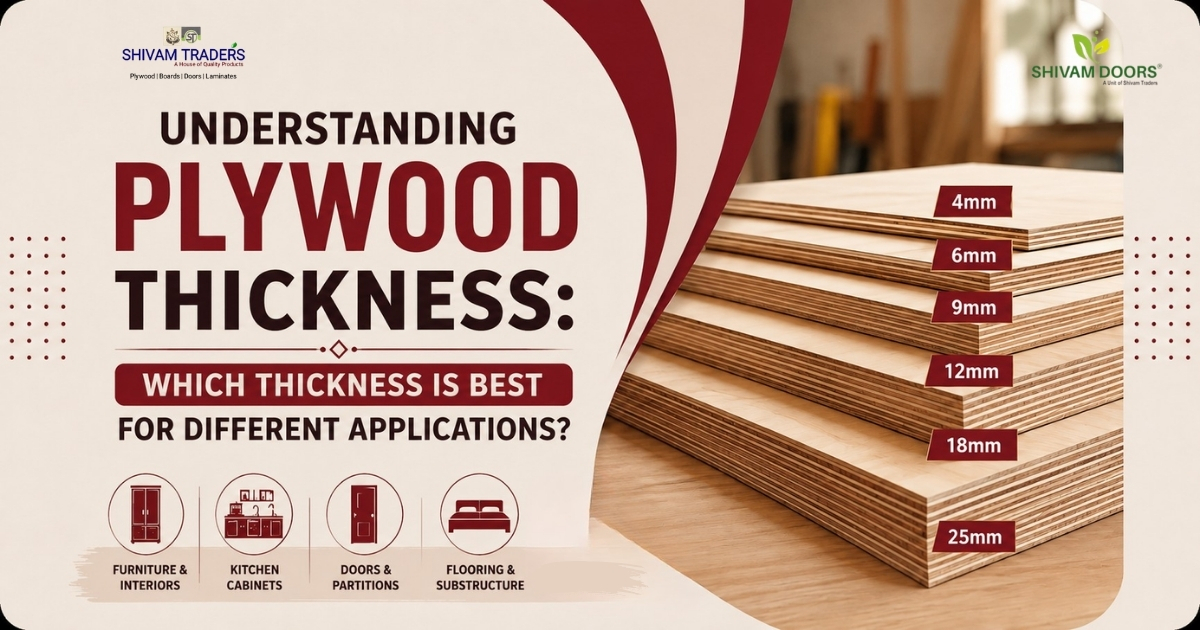
Plywood is available in several thicknesses, with options varying by manufacturer and application. Common choices include 6mm, 9mm, 12mm, 16mm and 18mm.
A plywood thickness guide can help narrow down the options, but you should always consider the project's actual requirements. Shivam Traders offers plywood in different specifications and helps customers select products based on their application, budget and requirements.
Best Plywood Thickness for Furniture
Cabinets and Cupboards
For cabinet backs and lighter internal components, thinner plywood can often be suitable. Shelves and structural sections may require thicker boards depending on their width and the weight they need to support. When choosing plywood thickness, consider the shelf span, expected load and support points rather than relying on thickness alone.
Wardrobes
Wardrobes commonly use medium to thick plywood for sides, shelves and structural components. The right choice depends on the size and design of the wardrobe.
Shivam Traders lists wardrobes, cupboards and storage units among the applications of its plywood boards.
Tables and Beds
Tables, bed frames and other furniture that carry regular loads generally need stronger plywood. An 18mm sheet is a commonly used option for applications requiring greater strength, although the appropriate thickness depends on the design and support structure.
Plywood Thickness for Kitchens
Kitchen furniture faces regular use and exposure to moisture. Along with selecting suitable plywood thickness, choose a grade appropriate for the environment.
BWR and marine plywood are designed for applications where moisture resistance matters. Shivam Traders offers moisture-resistant plywood options for kitchens and other areas where humidity can be a concern.
Understanding Plywood Sheet Size and Dimensions
Thickness is only one part of selecting the right board. You also need to consider the plywood sheet size required for your project.
Before purchasing, check the available plywood dimensions, including length, width and thickness. Larger sheets can reduce the number of joints in certain applications, while smaller pieces may be easier to handle and cut. Always confirm the actual dimensions with your supplier because sheet sizes can differ between products and manufacturers.
Plywood Thickness for Construction
Construction applications often demand stronger and more durable boards. Shuttering plywood, for example, needs to withstand the pressure of wet concrete during formwork.
Shivam Traders notes that 18mm is its most commonly used shuttering plywood option, while other thicknesses may be selected according to structural requirements.
How to Choose the Right Thickness
Start by identifying the application's load, span, moisture exposure and fixing method. Then consider the plywood grade, quality and budget.
A useful plywood thickness guide should support your decision, not replace project-specific advice. For structural work or heavy loads, consult a qualified professional before finalising the material.
Conclusion
The right plywood thickness can improve the strength, stability and durability of your project. From cabinets and wardrobes to kitchens and construction work, the ideal choice depends on the application's specific needs. Shivam Traders offers a range of plywood products and expert guidance to help customers select suitable materials for different projects.