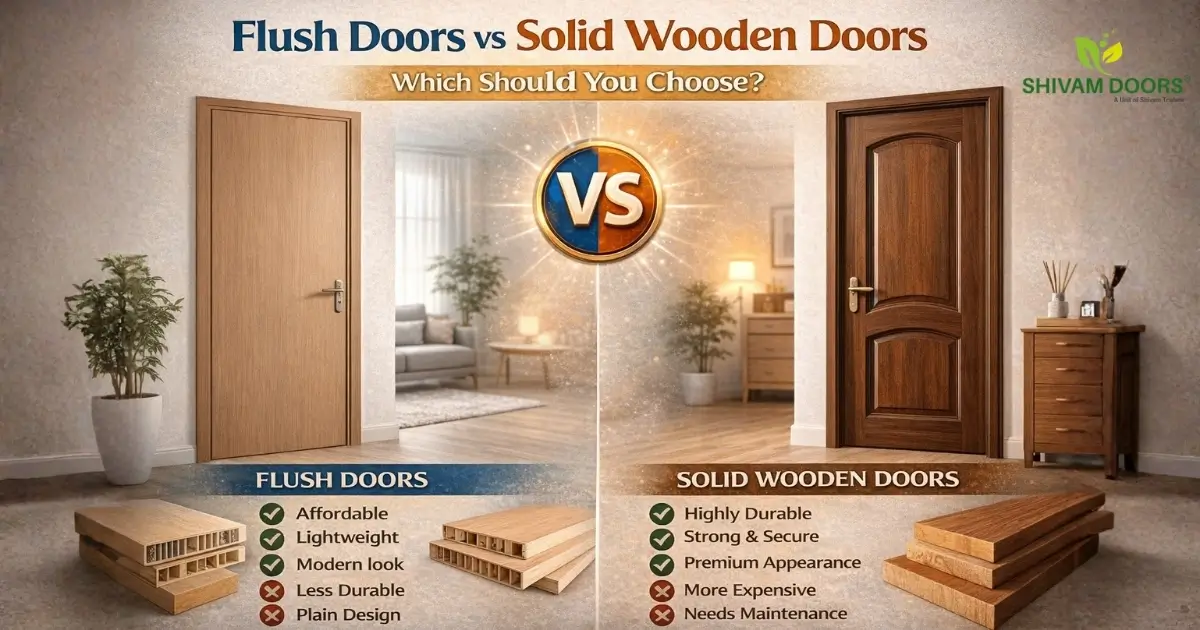
Flush Doors vs Solid Wooden Doors - Which Should You Choose?
Choosing the right door for your home or commercial space is more important than many people
realize. Doors influence aesthetics, security, insulation, and long-term maintenance costs.
When homeowners compare flush doors vs solid wood doors, they often struggle to balance
appearance, durability, and budget. Both options are widely used in modern construction, yet
each serves different needs depending on usage, climate conditions, and interior design
preferences. Understanding their structure, benefits, and practical performance can help you
make a confident and long-lasting investment.
Understanding Flush Doors
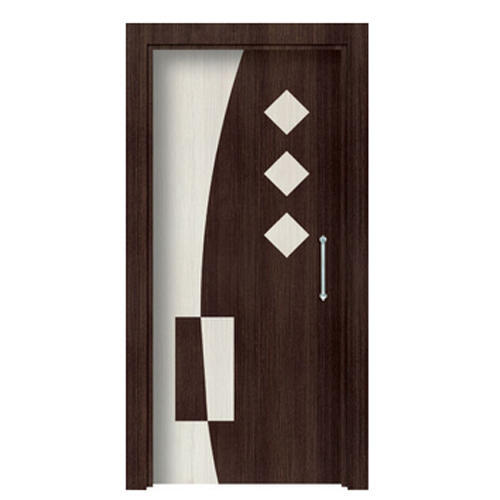
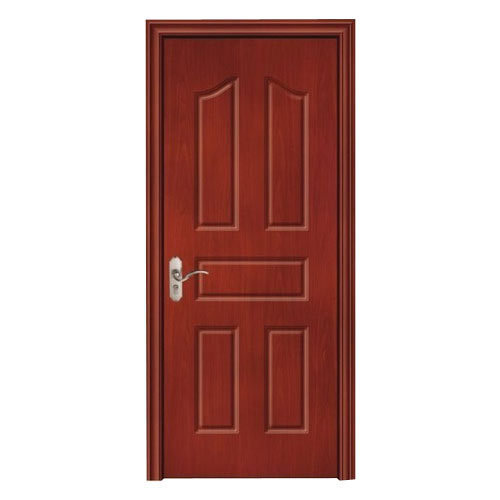
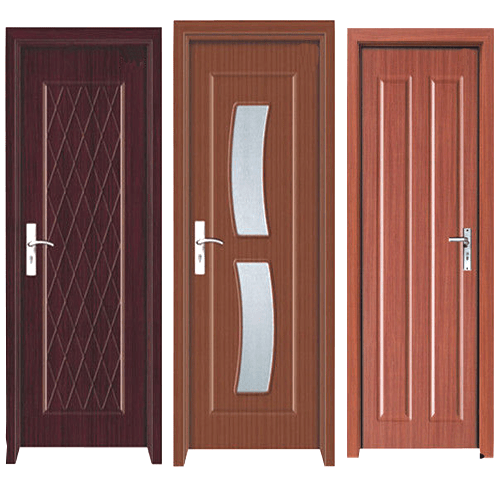
Flush doors are manufactured using a solid or semi-solid core covered with plywood, MDF, or
laminate sheets. Their smooth, flat surface gives a clean and contemporary appearance, making
them ideal for modern interiors. These doors are factory-finished, lightweight compared to
traditional wooden doors, and available in multiple finishes that match different decor styles.
One of the biggest flush door advantages is their cost-effectiveness combined with uniform
construction. Because they are engineered products, they resist warping and cracking better
than many natural wood alternatives. They are also easy to install, making them a popular
choice for apartments, offices, and interior spaces.
Understanding Solid Wooden Doors
Solid wooden doors are crafted from natural timber such as teak, oak, or sal wood. They are
known for their premium look, natural grain patterns, and strong structural integrity. These
doors add warmth and luxury to interiors while offering excellent sound insulation.
A proper solid wood door comparison shows that while they are visually superior and extremely
sturdy, they are usually heavier and more expensive. Natural wood reacts to humidity and
temperature changes, which means quality seasoning and expert installation are essential for
long-term performance.
Door Durability: Which One Lasts Longer?
When evaluating door durability, both options perform well but under different conditions.
Flush doors maintain consistent shape because of their engineered core, making them suitable
for indoor environments with moderate usage. They are less likely to expand or shrink due to
seasonal changes.
Solid wooden doors, however, can last decades if maintained correctly. Their strength makes
them ideal for main entrances or high-impact areas. The durability largely depends on wood
quality, polishing, and environmental exposure.
Maintenance Requirements You Should Know
Maintenance plays a major role in deciding between the two. Following proper door maintenance
tips can significantly extend the lifespan of either type. Flush doors require minimal upkeep
— usually occasional cleaning and protection from excessive moisture.
Solid wood doors demand more attention, including periodic polishing or sealing to prevent
moisture absorption and termite damage. While maintenance costs may be higher, many homeowners
consider it worthwhile for the timeless aesthetic they provide.
Which Door Should You Choose?
Your final choice depends on priorities. Flush doors are practical, affordable, and modern,
making them excellent for bedrooms, offices, and interior applications. Solid wooden doors,
on the other hand, are ideal for entrances or spaces where elegance and strength are top
priorities.
If you want low maintenance and budget efficiency, flush doors are a smart option. If luxury,
natural texture, and long service life matter more, solid wooden doors may suit you better.
Ultimately, understanding your usage needs and environment will guide the right decision.
Final Thoughts
The debate around flush doors vs solid wood doors is not about which is universally better,
but which is better for your specific requirements. Flush doors offer practicality and
affordability, while solid wood doors deliver timeless appeal and strength. By evaluating
durability, maintenance, and design preferences carefully, homeowners can make a smart
long-term investment. For quality materials and expert guidance, trusted suppliers like
Shivam Traders can help you select doors that perfectly match your project needs.